
Two New Numeracy Papers from the Education Lab
Big news from the Education Lab — two papers led by our postdoctoral researchers Isaac Rosenthal and Vonna Hemmler have just been published in Numeracy. Both represent substantial steps forward in the QuaRCS study, which we have now been running for over a decade and which has been administered to more than 10,000 students across more than 20 institutions.
Hemmler et al. 2026: "Toward Fairer and More Equitable Numeracy Measurement"
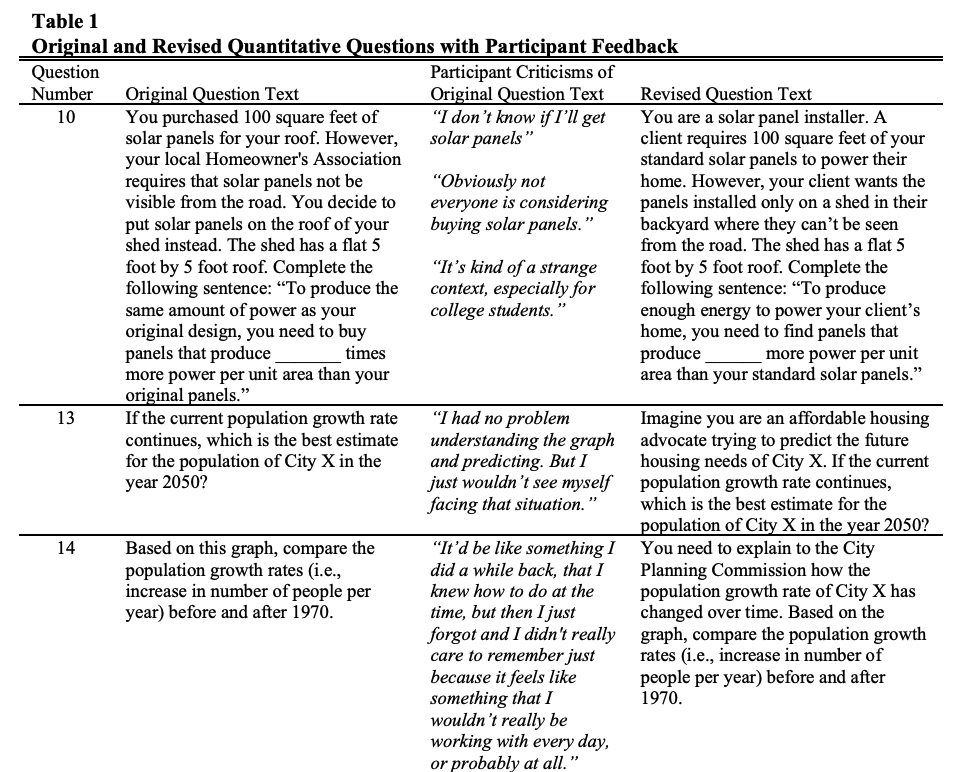
Vonna's paper, "Toward Fairer and More Equitable Numeracy Measurement: Improvements to the Quantitative Reasoning for College Science Assessment", was invited for the special issue "Numeracy and Social Justice." It tackles the question of how cultural context, language, and assessment design choices shape what we end up measuring when we administer numeracy assessments. Vonna led a careful review of the original QuaRCS items, identifying places where the wording or context might be culturally biased or otherwise inaccessible to students from particular backgrounds, and the paper presents the revised items along with evidence that the revisions reduce performance gaps without changing what is being measured.
Rosenthal et al. 2026: "QuaRCS Light"
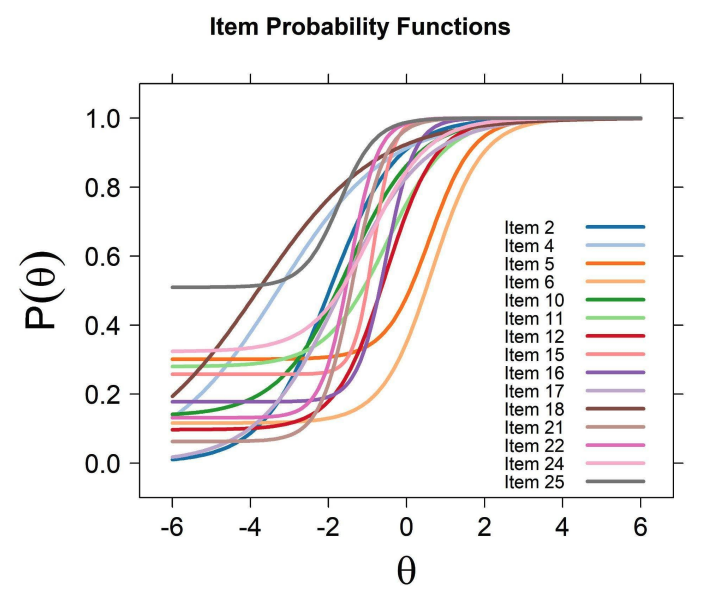
Isaac's paper, "QuaRCS Light: Validation of an Abbreviated Assessment of Undergraduate Numeracy and Mathematics Affect", presents a streamlined, validated version of the original QuaRCS instrument. The original QuaRCS had 25 quantitative items, and our prior studies showed that about 30% of students found the assessment boring and reported lower effort as a result. Isaac led the work to reduce the assessment to 15 items while expanding the affective variable selection from three to eight — adding measures of math anxiety, situational math affect, sense of belonging, growth mindset, and metacognition. He validated the abbreviated instrument with about 15,000 students across 18 institutions, using both classical test theory and item response theory methods. The paper shows that the new affective factors together explain 31% of variance in QuaRCS score, rising to 49% when student confidence and effort are also included.
Both papers represent the kind of careful, methodologically rigorous work that the QuaRCS study has been building toward for years. We are now at the very exciting point where the study is moving beyond merely characterizing the innumeracy problem and toward identifying solutions — what kinds of classroom interventions and assessment practices actually move the needle on student numeracy and on the affective factors that drive it. Vonna's classroom observations are the first step in that direction.
Huge congratulations to both Isaac and Vonna — and to all of the Follette Lab undergraduates whose work over the past several years contributed to these results. Both papers have lengthy author lists that reflect that contribution!